
Careers
Employers with a direct connection to the field
The design, PLC programming, assembly, and project planning teams work closely together. Decisions are made directly within the team without lengthy coordination processes. This results in solutions that are not only well-planned but also operate reliably in the customer’s production environment.
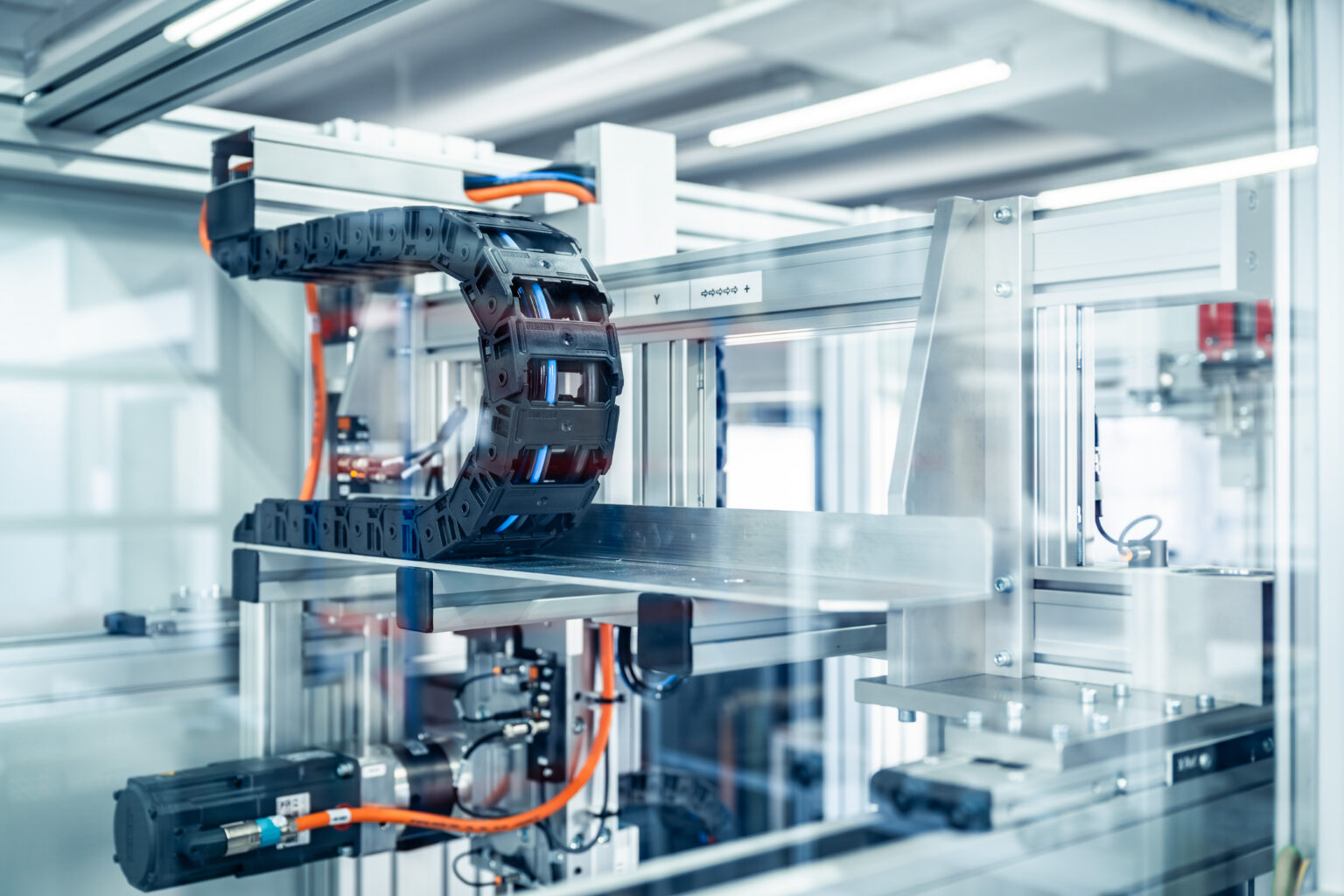
Careers in Custom Machine Building and Automation Technology
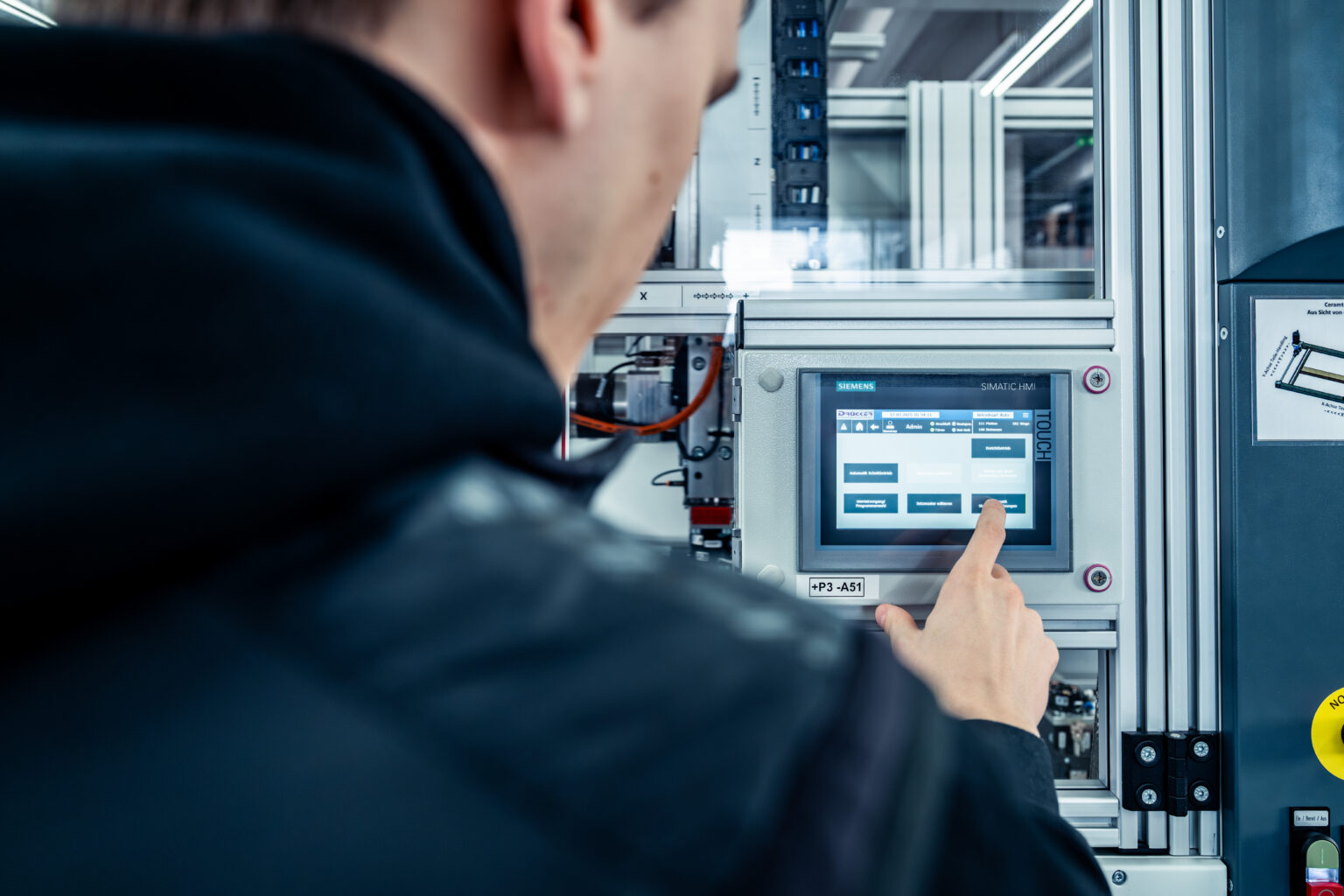 Work Environment
Work Environment
In special-purpose machine manufacturing, no two projects are alike. Different workpieces, new process requirements, and customized customer solutions ensure a variety of technical challenges rather than rigid routines.
Our work environment is characterized by direct communication, quick decision-making, and close collaboration between mechanical, electrical, and software teams.
Many tasks arise directly from real-world production processes and thus remain practical and technically understandable.
 Career and Development
Career and Development
The demands of automation and special-purpose machinery engineering are constantly evolving. That’s why we support our employees in expanding their technical knowledge and gaining experience in new areas of responsibility.
Depending on the position, this may include working on industrial projects, taking on independent project responsibility, and further developing PLC and automation skills.
The focus is on long-term development opportunities within real-world technical projects.
Advantages and Benefits
What matters to us:







Application Process

1. Submit your application

2. Initial phone consultation

3. Getting to Know Each Other in Person

4. Professional Exchange

5. Joint Discussion on Collaboration
Contact for Job Applications and Job Openings
HeMaTech Automatisierungstechnik GmbH & Co. KG
Siemensstr. 7
D-71409 Schwaikheim
FAQ on Jobs, Training, and Automation Technology
Which fields are in particularly high demand in the special-purpose machinery industry?
Technical fields such as design, PLC programming, electrical engineering, assembly, automation technology, and project management are in particularly high demand. Many projects involve several disciplines.
Do you work mostly in the office or directly on the equipment?
That depends on the specific position. The design and engineering departments work primarily in the technical office, while the installation, commissioning, and service teams work directly on-site at the facilities. Many projects are developed through close collaboration between the two departments.
Are there opportunities for career advancement within the company?
Yes. As employees gain experience, they can take on additional responsibilities, assist with projects, or assume greater technical responsibility within automation projects.
Do you work exclusively on standard systems?
No. Most projects involve the development of custom-built machines or automation solutions for specific manufacturing processes. As a result, the tasks and technical requirements often differ significantly from one another.
Are entry-level professionals or apprentices also welcome?
Yes. Depending on the position and job opening, we may also consider entry-level candidates or apprentices. What matters most is an interest in technology and a willingness to learn about industrial processes.
What is the application process like?
Once we receive your application, we’ll typically schedule an initial phone interview. After that, we’ll meet in person to discuss your responsibilities, projects, and the possibility of working together.
What technologies are used in day-to-day work?
Depending on the project, we work with PLCs, robotics, feeding technology, automated testing, assembly lines, and various systems from the field of custom machine building, among other things.
Are the projects varied, or do the tasks tend to be repetitive?
Since many systems are custom-designed, projects often differ significantly from one another. Different production processes and customer requirements result in a wide variety of technical challenges.