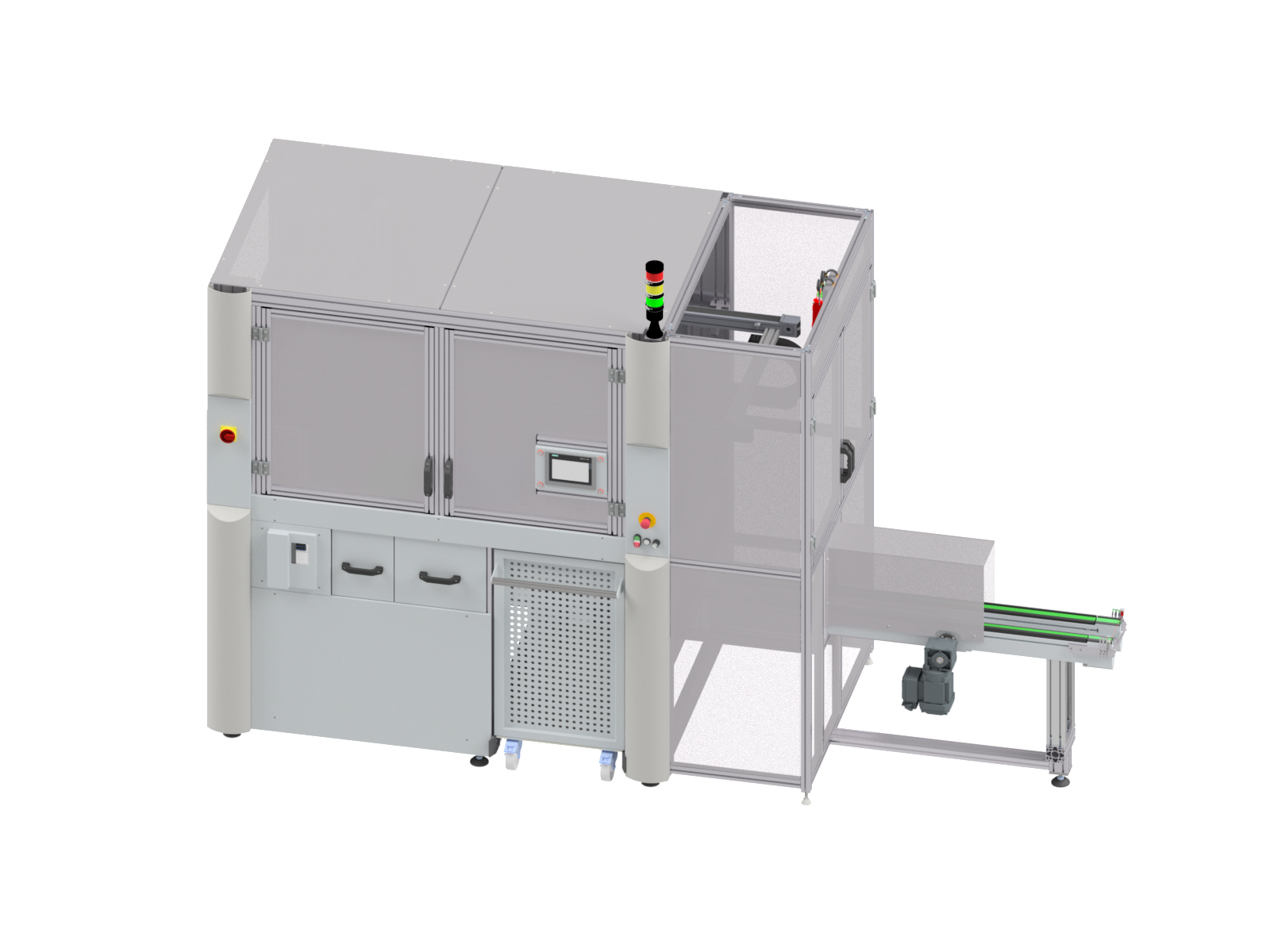
Placement Systems
Series production and special-purpose machinery






Automated Production Lines
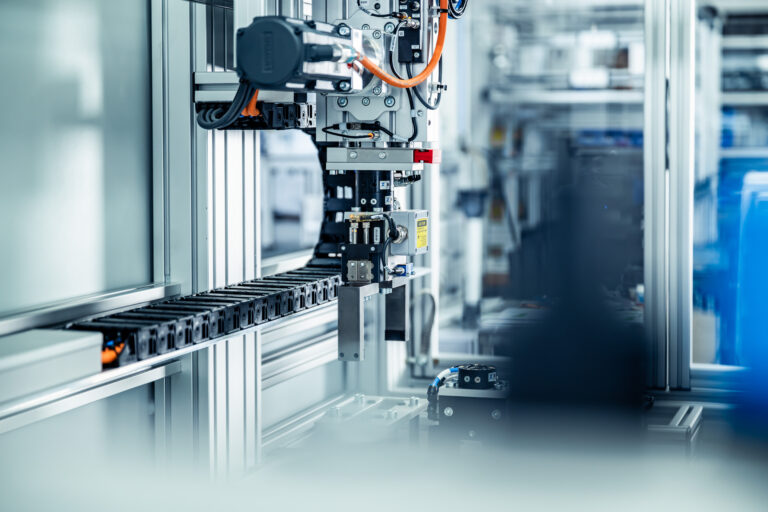
Industrial Automation
Robotic Cells and Automation





Custom Feeding Systems
We do not produce universal, off-the-shelf solutions, but rather technical systems tailored to specific production conditions and manufacturing processes.
Project Examples in Feeding Technology
Storage Units for Ceramic Medical Devices
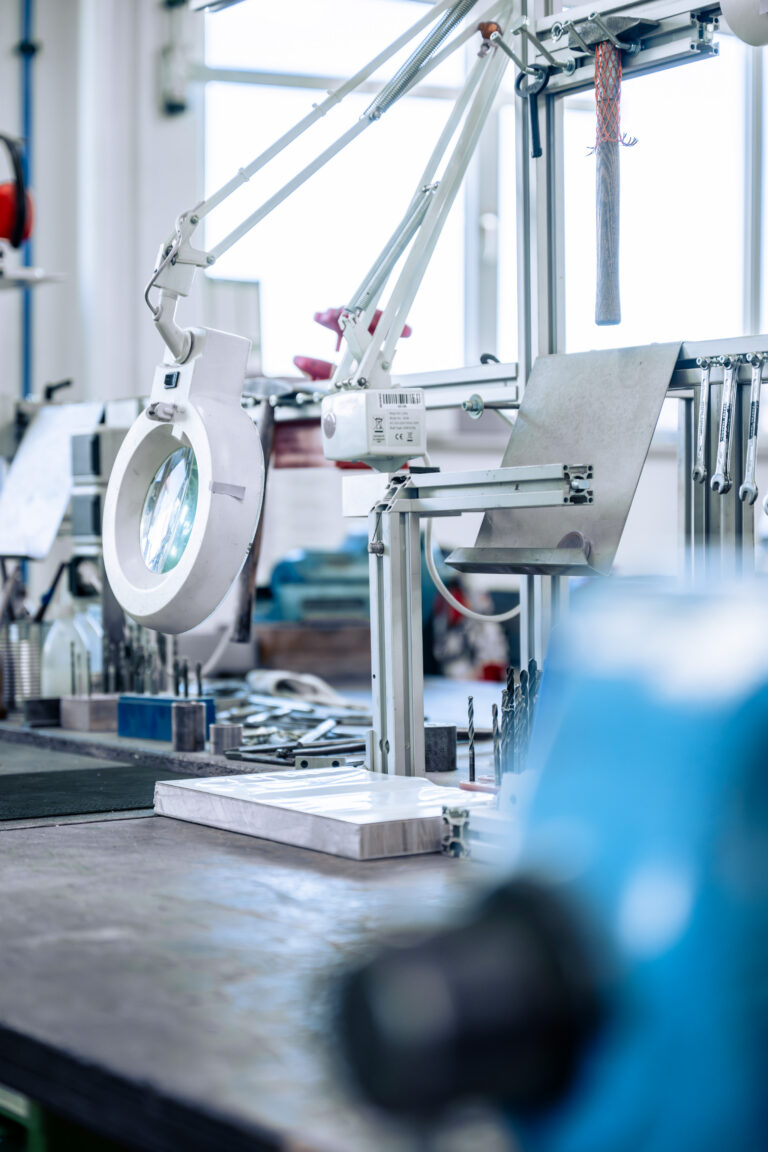
Quality Management
This is complemented by operating and safety concepts, as well as technical documentation, to ensure long-term use in industrial production environments.
Even after commissioning, we continue to support our customers with technical support, system adjustments, and upgrades to existing placement systems.
Certifications and Requirements
We provide additional technical documentation and project-specific documentation based on the application and system design.
get in touch
FAQ on Placement Systems, Workpiece Handling, and Automation
Which workpieces can be loaded automatically?
Our placement systems are customized to the workpiece, component geometry, and production process. This allows for the automated feeding and positioning of both small precision parts and larger assemblies.
Do you develop custom feeding systems or standard systems?
We develop customized feeding systems for specific production processes. Each system is tailored to the workpiece handling requirements, cycle time, and production environment. This allows even complex feeding and transfer processes to be automated.
Can placement systems be integrated into existing facilities?
Yes. Many projects are developed as extensions of existing production lines. In these projects, we integrate feeding systems, workpiece handling, robotics, and PLC control directly into existing manufacturing processes.
What are the advantages of automated feeding technology?
Automated assembly systems enable consistent material flows, repeatable processes, and better integration into industrial mass production. At the same time, they help reduce manual handling processes and stabilize cycle times.
Do you also develop robotic cells for workpiece handling?
Yes. We develop robotic cells for pick-and-place processes, workpiece positioning, feeding, and automated transfer processes. The robotics are tailored to the workpiece, the production environment, and the cycle time.
Can multiple processes be combined within a single plant?
Yes. Many systems combine feeding technology, workpiece handling, inspection processes, and assembly automation within a single system. This results in interlinked production processes with automated handoffs.
What is the process for a project in the field of feeding technology?
A project begins with a technical analysis of workpiece handling and material flow. This is followed by concept development, design, control systems, assembly, and commissioning of the system. A preliminary technical acceptance inspection is conducted prior to delivery.
Do you also provide support after the system is commissioned?
Yes. After commissioning, we continue to support our customers with technical support, system adjustments, upgrades, and maintenance services for existing placement systems and feeding systems.